


Activities
Activities
2026.10.8
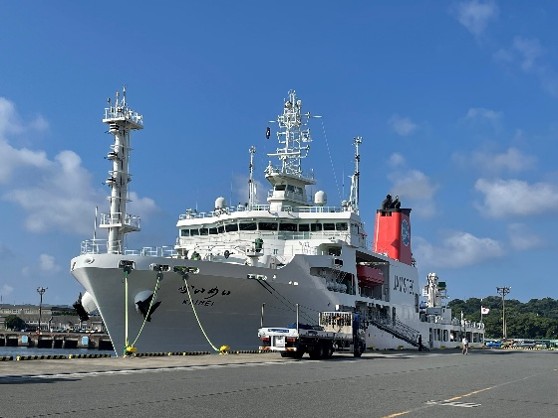
ASPIRE Graduate Students, WPI-AIMEC Members and Overseas Researchers Return from Research Cruise in the Northwest Pacific onboard the JAMSTEC Research Vessel KAIMEI
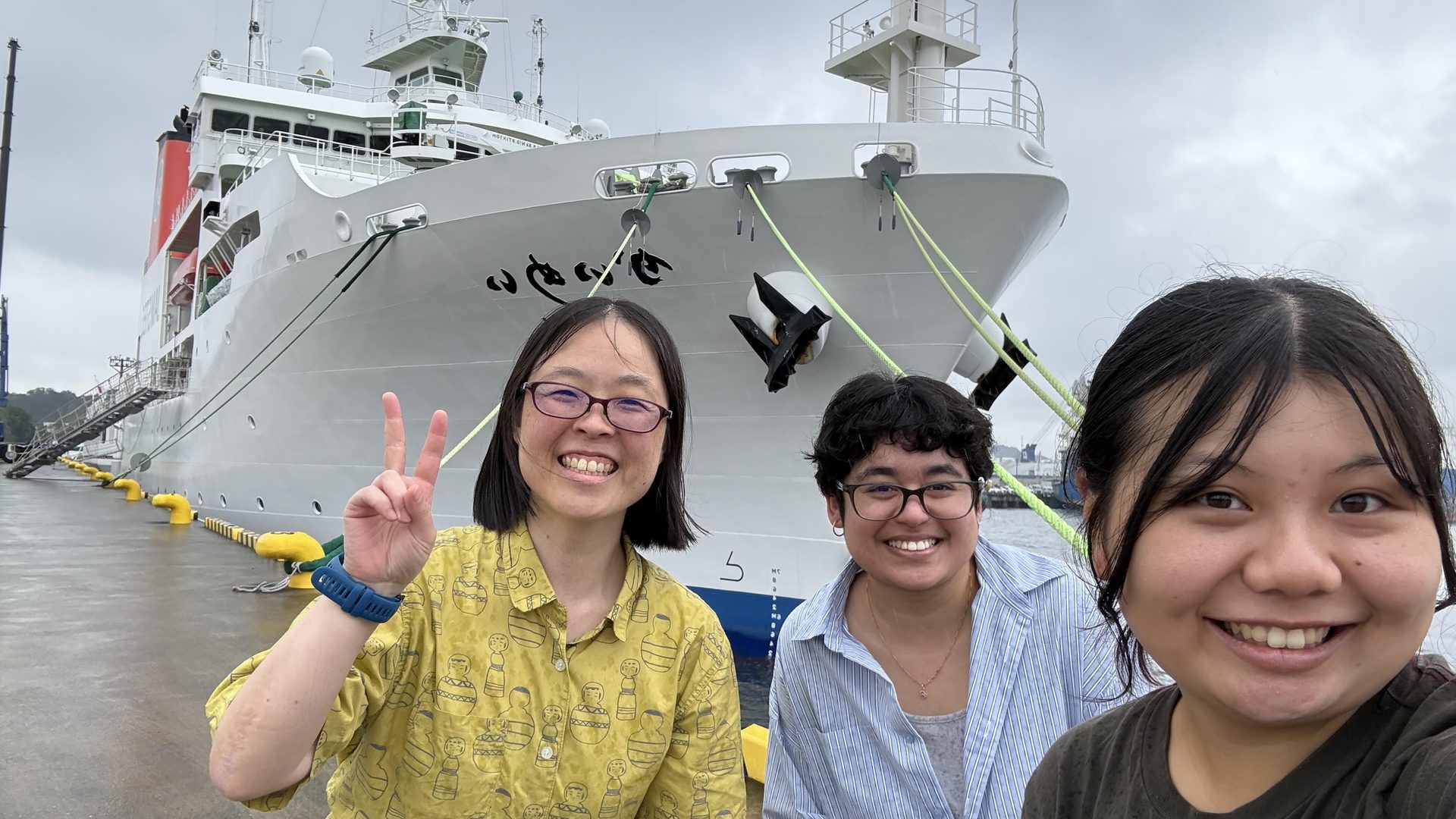
The JAMSTEC research vessel KAIMEI successfully completed the KM26-08 oceanographic research cruise in the Northwest Pacific from August 24 to September 4 under the support of the JST-ASPIRE project. The cruise brought together ASPIRE-supported graduate students, WPI-AIMEC researchers, and overseas collaborators to conduct a wide range of oceanographic observations. The JST-ASPIRE project, “Research and Development of Integrative Analyses for Marine Ecosystem Change and the Establishment of an Ocean Brain-Circulation Platform,” aims to establish an International Ocean Brain-Circulation Platform that promotes the global circulation of knowledge, talent, and research culture in marine science.
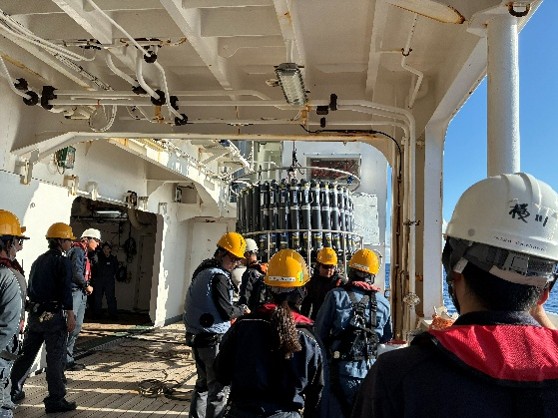
Led by WPI-AIMEC Researcher and JAMSTEC Senior Researcher Dr. Masahito Shigemitsu, the KM26-08 cruise provided an opportunity for domestic and international researchers and students to work together aboard a research vessel. By bringing together scientists from different fields, the cruise fostered interdisciplinary exchange and enabled researchers to share observations in real time while discussing new approaches to collaborative research.
The research focused on understanding the similarities and differences between deep and surface mixed layers from the perspectives of marine ecosystems and material cycling. Mixed layers are regions of the ocean where seawater is vertically mixed, resulting in relatively uniform physical and chemical properties such as temperature, salinity and nutrient concentrations.
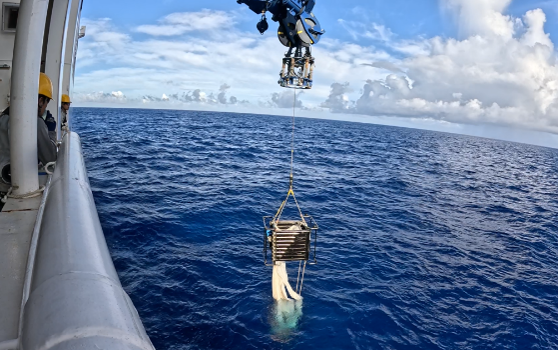
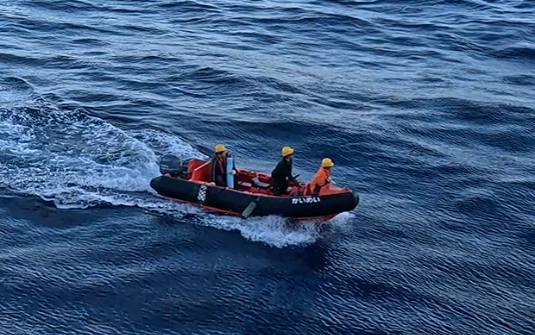
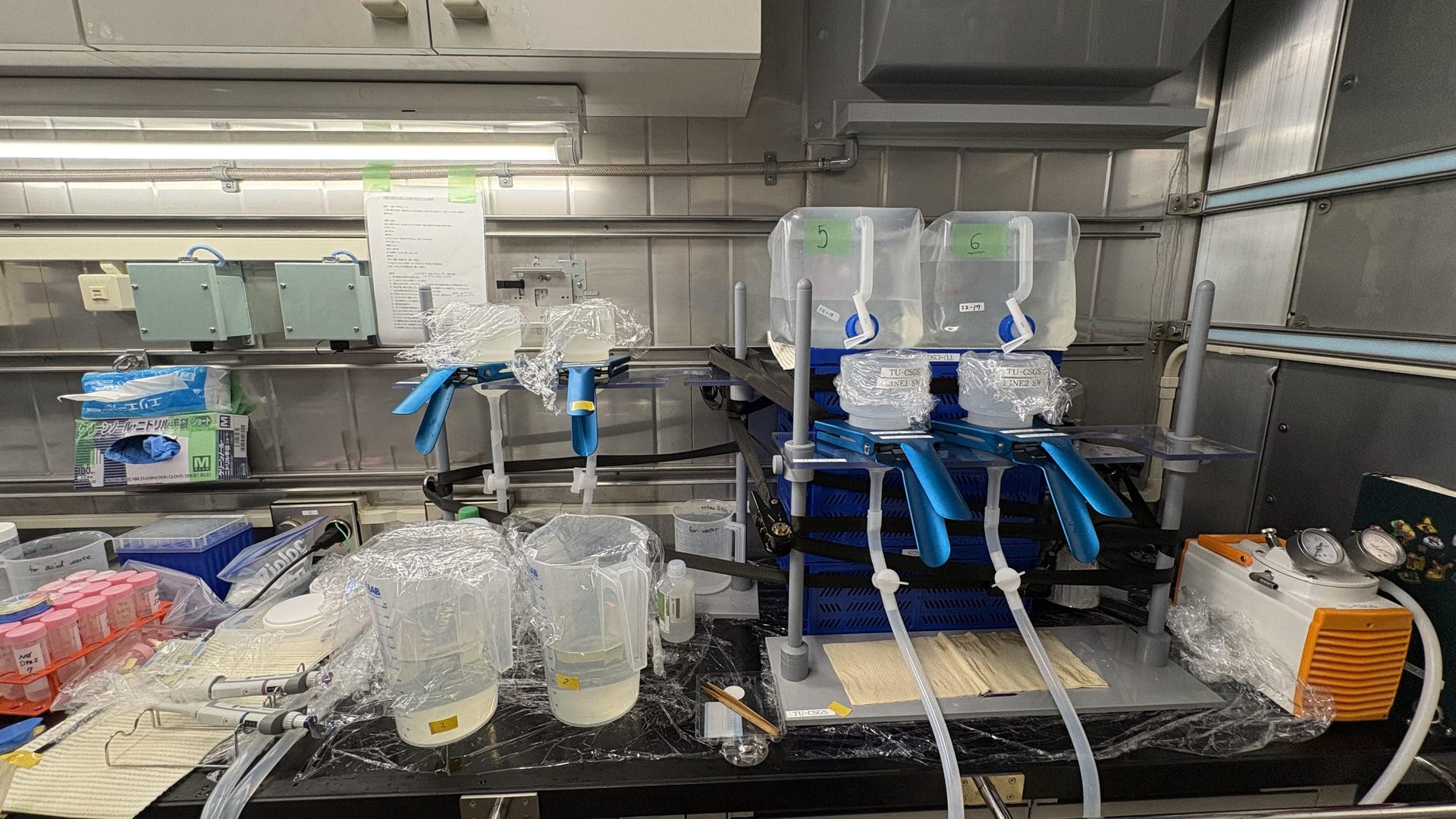
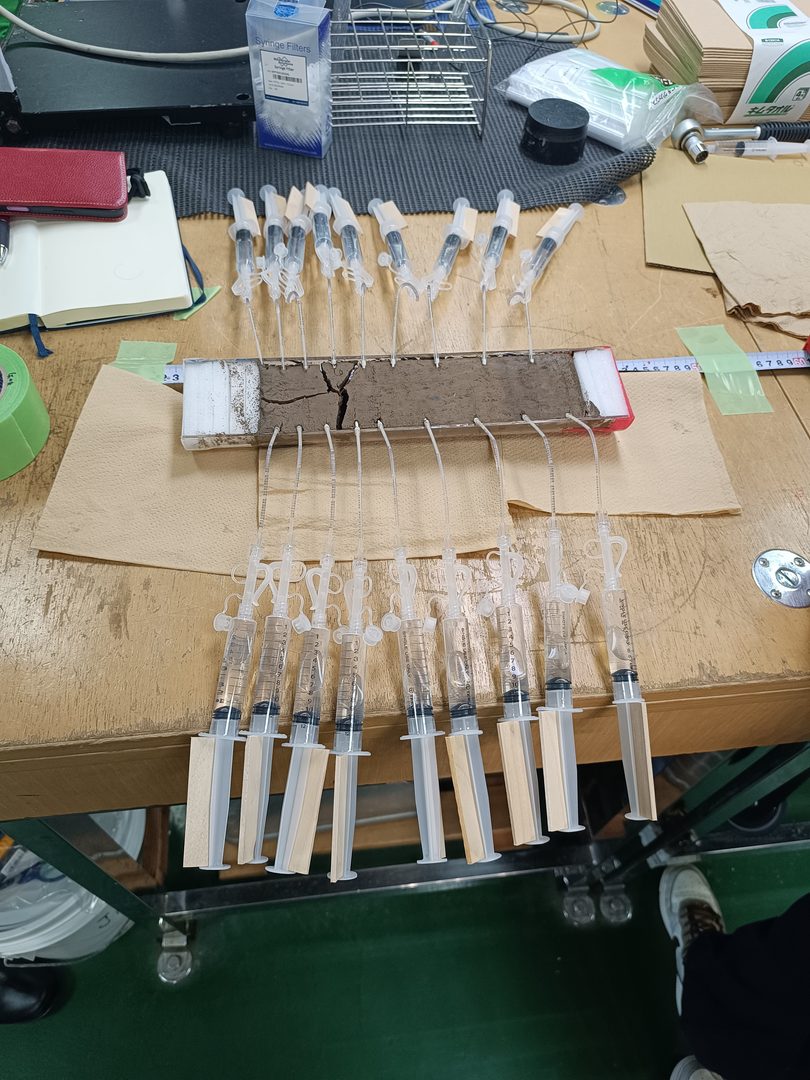
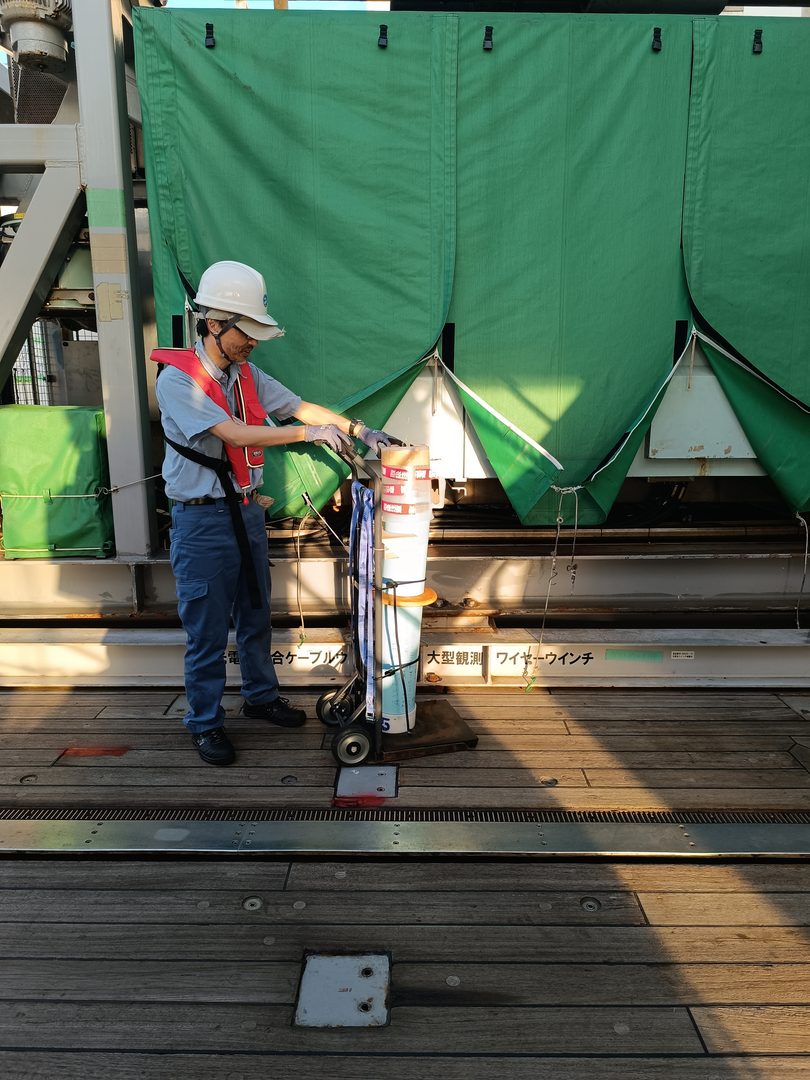
To investigate these environments, the team conducted a variety of observations. These included; CTD (Conductivity, Temperature, Depth) observations to continuously measure seawater properties; collection of seafloor sediments using a multiple corer; collection of marine snow, organic and other particles drifting through the ocean using a Marine Snow Catcher; plankton sampling at different depths using a VMPS (Vertical Multiple Plankton Sampler); and collection of suspended particles in seawater using an in-situ filtration system. The team also successfully recovered an Argo float, an autonomous platform used to observe ocean temperature, salinity and other properties over extended periods.
By combining the diverse datasets obtained during the cruise, new research themes are already beginning to emerge. Cruise participants will share their onboard experiences with WPI-AIMEC members and Tohoku University graduate students at the ASPIRE Graduate Student Symposium in November 2026. Further ahead, an international workshop is also planned for February–March 2027, where researchers will come together to share and discuss the results of the cruise.
The cruise advanced JST-ASPIRE’s goal of promoting international research collaboration and integrative approaches to understanding marine ecosystem change. By bringing graduate students, researchers, and overseas collaborators together in a shared research environment, it supported the development of creating an international ocean-brain circulation platform. Many of the graduate students commented that, although the work was challenging, their first experience onboard a research cruise broadened their perspective beyond their usual day-to-day research and encouraged them to think about scientific problems in new ways.
For WPI-AIMEC, the cruise provided an opportunity for participants from different fields and institutions to exchange ideas and build connections focused on understanding and predicting marine ecosystem change.
Links
WPI-AIMEC JST-ASPIRE
https://sites.google.com/tohoku.ac.jp/wpi-aimecaspire/home
Adopting Sustainable Partnerships for lnnovative Research Ecosystem(ASPIRE)
https://www.jst.go.jp/aspire/en/index.html
RV Kaimei, JAMSTEC websaite
https://www.jamstec.go.jp/mare3/e/ships/research_vessel/kaimei.html
